

Risk Management · 2025
In this section4 topics
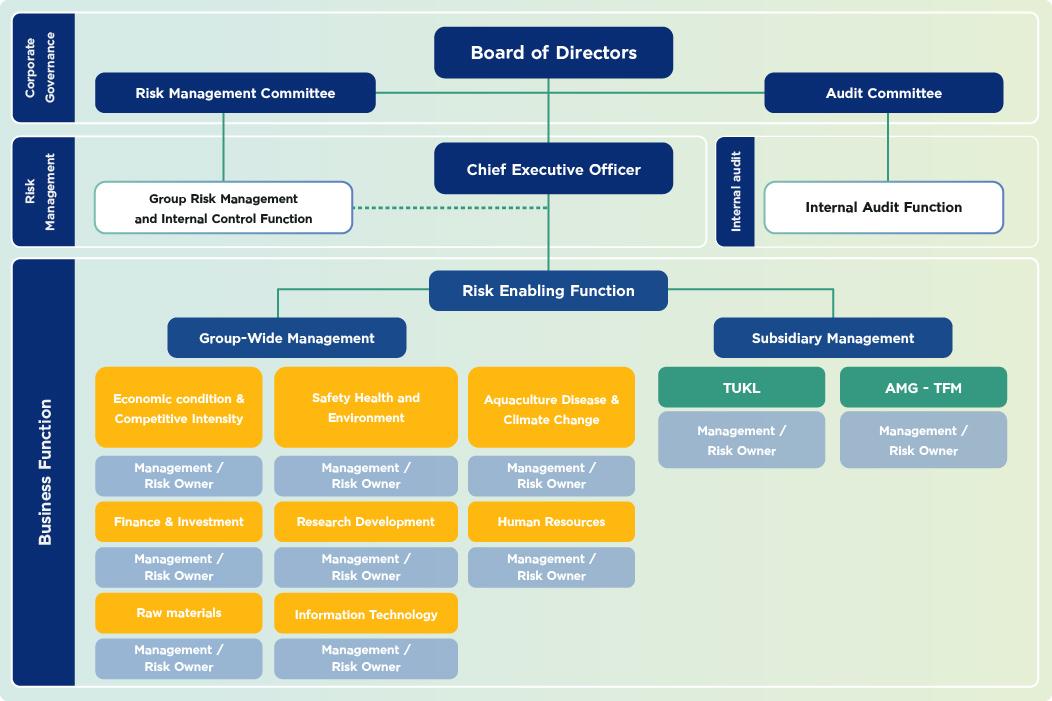
Risk Management Policy & Plan
Policy & Plan Description
Thai Union Feedmill Public Company Limited (the “Company”) is a leading manufacturer and distributor of aquaculture feeds and a subsidiary of Thai Union Group Public Company Limited (“TU” and, together with its subsidiaries referred to as the “Thai Union Group”). The Company recognizes the importance of comprehensive risk management across all dimensions of its operations. Accordingly, it operates under the internationally COSO – Enterprise Risk Management (COSO ERM) framework to strengthen corporate governance and enhance stakeholder confidence. The Company also promotes a risk-aware culture at all levels of the organization to ensure effective risk oversight and sustainable business continuity amid an evolving business environment. Using alignment with Thai Union Group’s policies and guidelines, and providing advisory support to risk owners. With appropriate knowledge and experience, she contributes to the continuous and effective operation of the Company’s risk management system. The Company has established a clearly defined governance structure for risk management. The Board of Directors is responsible for overseeing the Company’s enterprise risk management framework and for determining the Company’s risk appetite. The Board has also established the Risk Management Committee (RMC) to monitor, report and develop an efficient risk management system. The RMC comprises independent directors and senior executives, with an independent director possessing relevant business expertise serving as its chairperson. The Chief Executive Officer (CEO) is responsible for ensuring the effective implementation of the risk management framework across the organization. The CEO has assigned Ms. Sirinapa Thaewthap, Deputy Manager of the Risk Management and Internal Process Control department (Group Level), to serve as the secretary to the RMC. She reports directly to the chairperson of the RMC and the CEO. In this capacity, she is responsible for supporting the RMC’s functions, ensuring alignment with Thai Union Group’s policies and guidelines, and providing advisory support to Risk Owners. With appropriate knowledge and experience, she contributes to the continuous enhancement and effective operation of the Company’s risk management system.
In addition, the Nomination, Compensation, and Corporate Governance Committee is responsible for overseeing and ensuring that the Company operates in accordance with good corporate governance principles, complies with the Code of Conduct, and upholds appropriate ethical standards. The Committee also oversees risks associated with corporate practices, governance and business ethics. Meanwhile, the Sustainability Committee is responsible for setting directions, monitoring progress, and ensuring that the Company’s sustainability initiatives align with its strategy and best international practices. The Committee also oversees risks related to environmental, social, and governance (Environmental, Social, and Governance: ESG) matters.
Management and employees at all levels share responsibility for managing risks within their respective areas on an ongoing basis. The Company continuously enhances its risk management processes to ensure alignment with business needs and changes in the operating environment. The process covers risk management across strategic, financial, investment, and operational areas, as well as environmental, social, and governance risks (Environmental, Social, and Governance: ESG Risks), including emerging risks. This approach ensures that the Company’s risk management framework remains comprehensive, appropriate, and capable of effectively responding to changing circumstances.
Risk Management Culture
The Board of Directors promotes and fosters risk management as an integral part of the Company’s corporate culture. This is achieved through the establishment of clear risk management policies, frameworks, guidelines, and structures to ensure systematic and effective internal communication and risk management throughout the organization. At the same time, the Management incorporates risk management considerations into business decision-making even though it presents additional costs or operational challenges.
In addition, the Company fosters positive attitudes and awareness of risk management among employees from their first day of and throughout their employment. This is carried out through various initiatives, such as new employee orientation programs, risk management training, and ongoing internal communication to reinforce the understanding among employees at all levels of their roles in managing corporate risks. In 2025, members of the Board of Directors, the RMC, and the Management participated in a Corporate Governance Training program conducted by Herbert Smith Freehills (Thailand) Co., Ltd. The program covered key governance topics including ESG, class action, insider trading, conflict of interest, and anticorruption, thereby enhancing the Company’s governance capabilities in alignment with international standards. 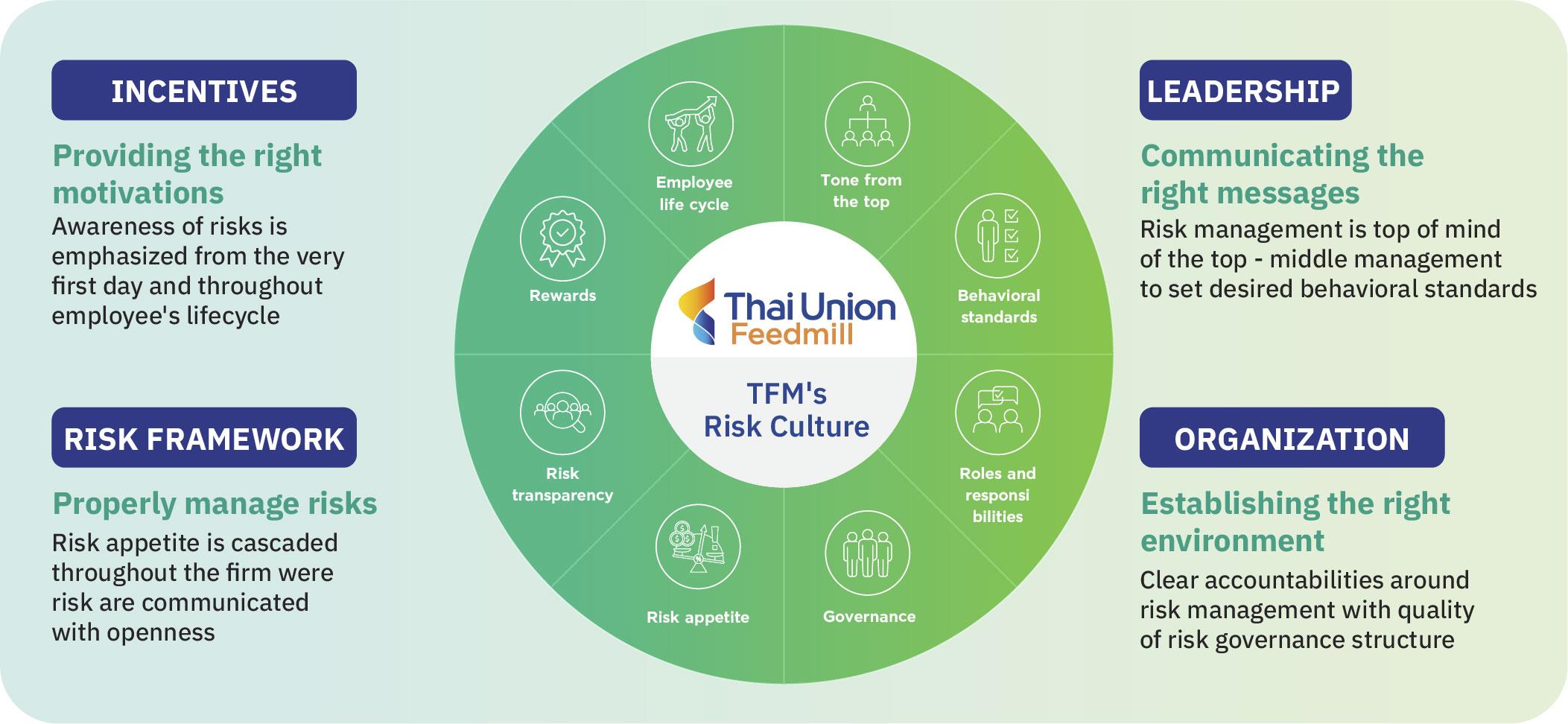
Risk Management Framework
The Company’s risk management framework is implemented in accordance with the internationally recognized COSO Enterprise Risk Management (COSO ERM) framework to enable Management and employees to manage risks effectively and on a continuous basis. The framework encompasses systematic risk identification and assessment, risk mitigation and monitoring, as well as structured risk reporting and communication processes. The framework places particular emphasis on Environmental, Social, and Governance (ESG) risks, emerging risks, and the linkage between risk impacts and financial information to support informed strategic decision-making. The Company conducts quarterly risk reviews in collaboration with risk owners, the Management, and the RMC. Material risks, progress on risk management, and updates to control measures are regularly reported to the Board of Directors to ensure that risk management remains aligned with the Company’s business direction and related financial implications.
Risks associated with corporate practices, governance, and business ethics are overseen by the Nomination, Compensation, and Corporate Governance Committee. The Committee ensures that the Company adheres to good corporate governance principles, complies with ethical standards, and maintains appropriate business conduct. Risks related to environmenta and social matters are overseen by the Sustainability Committee, which is responsible for setting direction, monitoring progress, and ensuring that the Company’s sustainability initiatives align with its strategy and international best practices.
In addition, the Company continuously enhances its risk management practices through periodic self-assessment by the RMC and by taking into consideration feedback from employees. Such efforts aim to further strengthen processes to ensure responsiveness to changes in the business environment and to improve the Company’s ability to manage strategic risks, ESG risks, and emerging risks effectively.
Risk Management Process
The Company’s risk management process comprises 7 key steps:
Objective Setting: Establishing business objectives, strategic direction, and expected outcomes to ensure alignment with corporate strategy and risk management guidelines.
Risk Identification: Identifying risks that may affect its operations, considering both internal and external factors. Such risks cover strategic, operational, financial, regulatory, and environmental aspects.
Risk Assessment: Evaluating the likelihood and potential impact of identified risks using established corporate risk criteria. Risks are prioritized based on their significance, and key risks requiring immediate attention are identified.
Risk Response: Establishing appropriate risk response measures based on the level of risk, including risk mitigation, avoidance, transfer, or acceptance. The results of these mitigations measures are also regularly monitored.
Monitoring, Review, and Reporting: The status of risks and the effectiveness of mitigation measures are continuously monitored and reviewed. Regular reporting is conducted by risk owners, executives, and the RMC.
Information and Communication: Risk-related information is systematically collected, maintained, and communicated in an accurate, timely, and comprehensive manner to support decision-making of executives and relevant departments.
Risk Audit: The adequacy and effectiveness of the risk management are evaluated by internal auditors and independent external parties in accordance with relevant standards to ensure reliability and continuous improvement of risk management .
Risk Appetite Statement
The Company’s acceptable level of risk (risk appetite) serves as a key determinant in shaping its strategic direction and risk management approach. Risks assessed at a high or medium-high level are considered to exceed the Company’s acceptable risk threshold and therefore require the immediate implementation of appropriate risk mitigation measures and management action plans. Examples of the Company’s risk appetite are as follows:
Health and Safety
The Company has zero tolerance for permanent disability or death from work-related injuries. It therefore ensures the safety of everyone in its work sites.
Business Interruption (Plants)
The Company has zero tolerance for incidents disrupting its plant operations and affecting its production capacity for longer than three days. It therefore strives to minimize the likelihood of such incidents and impacts.
Anti-bribery and Corruption
The Company has zero-tolerance for bribery and corruption. It therefore strictly complies with anti-bribery and corruption laws .
Key Risk Indicators (KRIs)
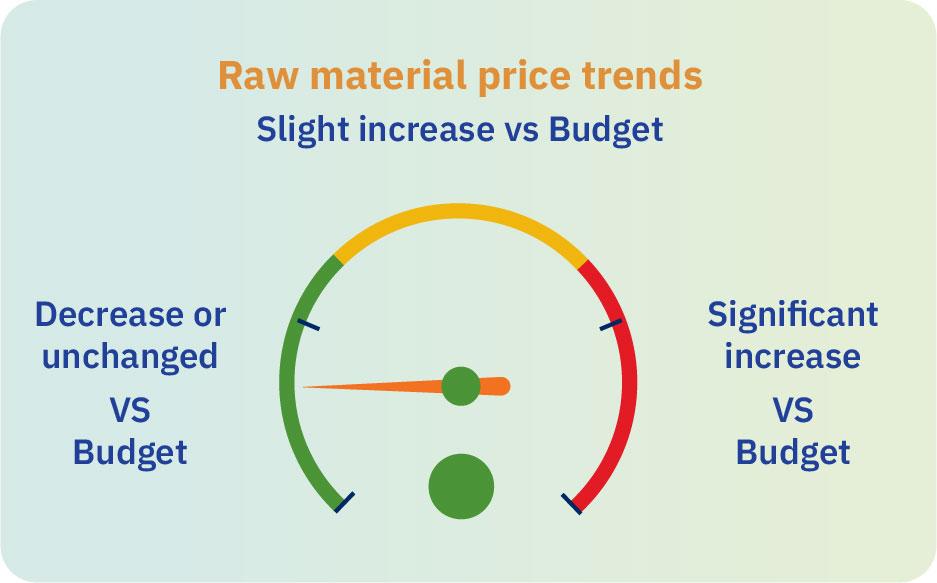
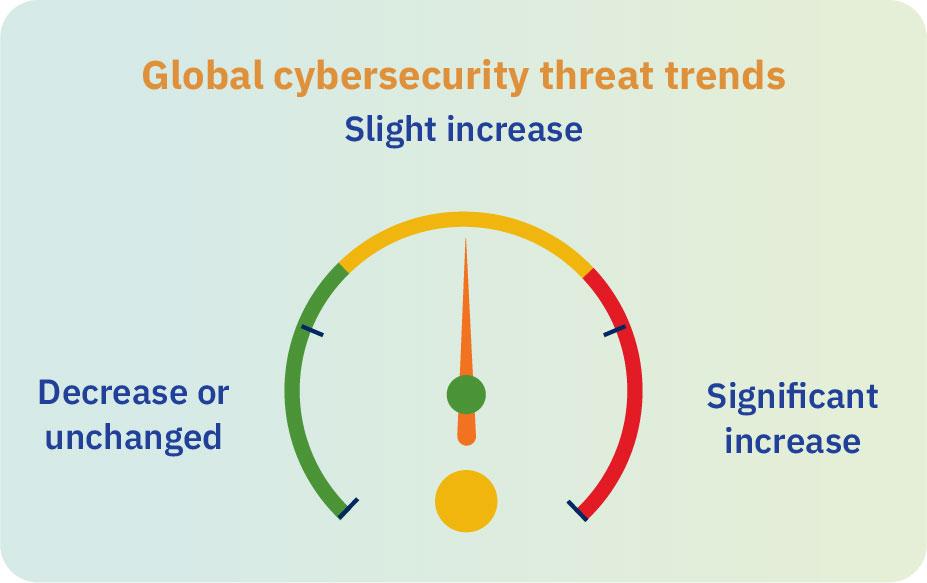
For materiality risks, Key Risk Indicators, or KRIs, are set up and used to closely monitor the situation. KRIs provide an early signal of increasing risk exposures in various areas. There are both lagging and leading indicators. For example, the Company monitors trends in raw material prices and global cybersecurity threat incidents, as outlined below.
Policy Document Link
https://www.thaiunionfeedmill.com/en/investor-relations/risk-management
Risk Factors — Overview
Risk Factors — Introduction
The Company is a leading manufacturer and distributor of aquafeed. The Company’s operations and financial performance may fluctuate depending on a variety of risk factors related to the animal feed industry. Although the Company is able to manage many risks effectively to reduce the likelihood of occurrence and limit potential impacts, certain risks remain beyond the Company’s control. Such risks may affect the Company’s operations, financial position, reputation, and stakeholder expectations. Accordingly, the Company has established a risk management framework and guidelines to cover material impacts in seven key areas, as set out below.

Current risks and emerging risks
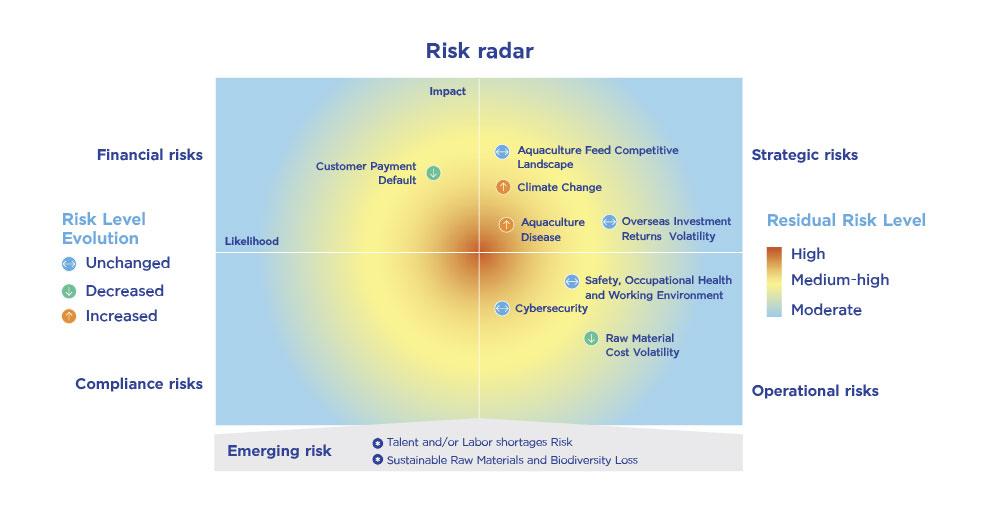
The risk radar above reflects an overview of the Company’s material business risk factors and emerging risks as of the end of 2025, including changes in risk levels compared with 2024. The following section explains key risks, potential impacts, and risk management approaches related to Environmental, Social, and Governance (ESG) factors. In this regard, the Company has prepared and implemented risk management plans to enhance operational efficiency and reduce impacts arising from ESG factors, with a focus on sustainable development in all dimensions, in order to support long-term stability and sustainability for its organization and all stakeholders.


Risks to the Company's Business Operations
Introduction
The Company places emphasis on key risk factors that may affect its competitiveness and growth potential, particularly market volatility, cost fluctuations, and rapidly changing economic conditions. Accordingly, the Company is committed to managing these risks in a systematic and proactive manner to maintain business stability and support long-term growth.
Risk Register
| Risk Name | Risk Characteristics | Consequences | Management Measures | Related Risk Factors |
|---|---|---|---|---|
| Aquaculture Feed Competitive Landscape Risk | Description of Key Corporate Risks The aquafeed industry continues to demonstrate growth potential in line with rising global demand for aquaculture products. However, the Company faces growth constraints arising from various external business factors, particularly the limited expansion of the domestic market. This situation has been further compounded by flooding in several areas, especially in southern Thailand, which has adversely affected overall aquaculture production volumes. At the same time, the economic slowdown has impacted farmers’ purchasing power and investment capability. Aquaculture product prices have also remained consistently low, limiting feed manufacturers’ ability to adjust selling prices. In addition, volatility in raw material costs, climate change, and increasing domestic competition particularly from operators with lower cost structures or more advanced production technologies have increased business uncertainty and may affect the Company’s future growth potential. | These risk factors may result in a decline in the Company’s aquafeed production and sales volumes, as well as exert pressure on profit margins due to limitations in adjusting selling prices and volatile production costs. The weakening liquidity position of aquaculture farmers may increase customer payment risk and adversely affect the quality of the Company’s receivables in the short to medium term. Furthermore, intensifying competition may lead to increased pricing pressure and potential loss of market share. If the Company is unable to manage these risks effectively and continuously, its competitiveness, operating performance, and growth potential may be affected. | The Company manages risks arising from competition and growth in the aquafeed industry in a comprehensive manner, focusing on strengthening its competitive capabilities proactively and adapting to volatile market conditions. The Company aims to optimize its product portfolio toward higher-margin products and niche markets segments, while continuously developing new formulations and product innovations to enhance differentiation, mitigate pricing competition risks, and respond to the diverse needs of aquaculture farmers. In addition, the Company continues to manage costs and raw material sourcing efficiently, while carefully selecting reliable markets and customers. Credit terms are structured in alignment with the risk profile of each customer. The Company also continuously monitors markets, weather conditions, and production trends to support proactive decision-making, plan risk mitigation in advance, and collaborate with key customers on marketing strategies to ensure effective production management. These approaches help reduce vulnerability to market volatility, maintain competitiveness, and enhance business resilience amid an ever-changing operating environment. | 729 · Description: Behavior or needs of customers / consumers · Info category: STRATEGIC_RISK · 732 · Description: Changes in technologies · Info category: STRATEGIC_RISK · 735 · Description: Reliance on large partners / distributors or few partners / distributors · Info category: STRATEGIC_RISK · 1715 · Description: Economic risk · Info category: STRATEGIC_RISK |
| Overseas Investment Returns Volatility Risk | Description of Key Corporate Risks The Company has invested in overseas subsidiaries, namely PT Thai Union Kharisma Lestari (TUKL) in Indonesia and AMG Thai Union Feedmill (AMG-TFM) in Pakistan. Nevertheless, the macroeconomic environment and industry landscape in both countries are subject to challenges arising from external factors, particularly economic slowdown, inflation, volatile foreign exchange rates, and fluctuating raw material costs influenced by market mechanisms, and supply–demand conditions. In addition, the aquafeed industry must continuously strengthen quality, safety, and sustainability standards to comply with market requirements and international stakeholder expectations, which could lead to higher operating costs for the overseas subsidiaries. | These risk factors may constrain short-term market expansion and growth of the subsidiaries and could adversely impact operating results and profitability amid cost and foreign exchange volatility. In addition, the need to enhance quality and sustainability standards may affect capital utilization efficiency and short-term returns on investment. Failure to effectively manage risks associated with overseas subsidiaries may adversely impact the Group’s overall performance in the short term. | The Company mitigates risks arising from fluctuations in overseas investment returns by maintaining operational readiness and business continuity through diversification of raw material sources, cost management, and strengthening collaboration with local partners, while closely monitoring economic conditions, foreign exchange volatility, and regulatory developments in each country to enable timely strategic adjustments. In addition, the Company continues to assess opportunities to expand investments in its subsidiaries, alongside prudent risk management, to strengthen businesses in the long run, with a focus on proactive initiatives, including:
In addition, in 2025, the company sold its 51% shareholding in AMG-TFM to the remaining shareholders. The company will continue to maintain a strong relationship with AMG-TFM through a technical services agreement. This divestment is aligned with the company’s strategy to restructure its investment portfolio and reduce the risk of further losses.
| 765 · Description: Fluctuation in return on assets or investment · Info category: FINANCIAL_RISK · 742 · Description: Human error in business operations · Info category: OPERATIONAL_RISK · 746 · Description: Delays in the development of future projects · Info category: OPERATIONAL_RISK |
| Customer Payment Default Risk | Description of Key Corporate Risks The Company’s key customers are aquaculture farmers and animal feed distributors. Most customers are small and medium-sized enterprises (SMEs) in Thailand and overseas. As a result, the Company is exposed to credit risk related to customers’ debt serviceability. Such credit risk may arise from various internal and external factors, including an economic slowdown, financial volatility, customer liquidity constraints, and other circumstances that may adversely impact customers’ income and business operations. These factors may make certain customers unable to pay for goods in accordance with the agreed terms and conditions. | These risk factors may require the Company to recognize an allowance for doubtful accounts or record bad debts expenses where customers fail to fulfill their payment obligations. Such circumstances could have a direct adverse effect on the Company’s operating results and liquidity position. In addition, an increase in overdue receivables may reduce the effectiveness of working capital management and may adversely affect the Company’s financial flexibility and operational performance in the short to medium term. | The Company recognizes the risk associated with customer payment defaults and the potential impact on its operating results. Accordingly, the Company manages this risk systematically through well-established credit policies supported by clearly defined review and approval processes. Credit limits, payment terms, and collateral requirements are set appropriately in line with each customer’s risk profile. There are clearly defined approval authorities and standardized credit evaluation procedures applied consistently across the organization. In addition, the Company closely monitors receivables by aging categories and conducts ongoing customer risk assessments by considering payment history, credit behavior, market conditions, and relevant economic factors. This enables the Company to implement appropriate risk mitigation and respond promptly to changing conditions. To further strengthen risk monitoring and control, the Company has implemented an AR Dashboard to assess overdue trends and identify early indicators of risks in a timely manner. This enhances the effectiveness of decision-making and follow-up actions. The Company has also established structured collection procedures, negotiation processes, and legal actions, which apply where necessary, to maintain receivables quality and limit potential adverse impacts on the Company’s operating results. | 763 · Description: Default on payment or exchange of goods · Info category: FINANCIAL_RISK · 733 · Description: Business operations of partners in the supply chain · Info category: STRATEGIC_RISK · 1715 · Description: Economic risk · Info category: STRATEGIC_RISK |
| Raw Material Cost Volatility Risk | Description of Key Corporate Risks The Company is exposed to risks arising from fluctuations in the prices of key raw materials, namely soybean meal, wheat flour, and fishmeal, which mainly account for the Company’s overall production costs. Although in 2025, overall raw material prices remained at levels comparable to the previous year without any significant price adjustment, they were subject to volatility due to various external factors. These include uncertainty in global agricultural output, climate variability, geopolitical developments, changes in trade policies, and transportation constraints. In addition, the Company faces procurement forecasting risk, as market volatility and supply–demand dynamics may cause discrepancies between projected and actual raw material prices and volumes. The Company is also exposed to supply concentration risk, given the limited number of suppliers for certain key raw materials, which may reduce procurement flexibility and affect the stability of raw material sourcing. | These risk factors may cause uncertainty in the Company’s production costs. Without proper selling-price adjustment or efficient cost management, the Company’s ability to maintain profit margins will be under pressure. Moreover, inaccuracies in raw material procurement forecasting may cause the Company to source raw materials at higher-than-expected costs or prepare insufficient supply for production demand. This may affect the Company’s operational efficiency, production planning capability, and operating performance in the short to medium term. | The Company manages raw material cost risks through product portfolio optimization and effective production cost control. In addition, the Company has adopted a data-driven procurement approach utilizing historical data alongside price trends projections and demand forecasts to enhance planning accuracy and mitigate the impact of market volatility. Raw material procurement is conducted in alignment with the Company’s strategy and sustainability guidelines, with priority given to suppliers that meet established sustainability standards and demonstrate the capability to ensure consistent supply at competitive prices. Where appropriate, the Company enters into forward purchase arrangements to secure prices and delivery volumes in advance. It also strategically maintains a stock of raw materials with long shelf lives to strengthen supply chain resilience and support its long-term operations.
| 740 · Description: Shortage or fluctuation in pricing of raw materials or productive resources · Info category: OPERATIONAL_RISK · 733 · Description: Business operations of partners in the supply chain · Info category: STRATEGIC_RISK · 1715 · Description: Economic risk · Info category: STRATEGIC_RISK |
| Climate Change Risk | Description of Key Corporate Risks The Company recognizes that climate change and natural disasters represent systemic global risks that are likely to intensify over time and may affect supply chain stability in the short term (within 2025), the medium term (within 2030), and the long term (within 2050). Such risks encompass both physical risks and transition risks. Physical risks include temperature volatility, changes in seawater quality, seasonal irregularities, extreme weather events, and natural disasters such as floods and storms, which may disrupt activities in the supply chain. Transition risks involve evolving environmental regulations, increasingly stringent sustainability standards, and traceability requirements, all of which may affect the Company’s operational structure and costs. | These risk factors may lead to higher raw material costs, reduced availability of key raw materials, increased volatility in agricultural yields, and more complex environmental requirements, potentially affecting the Company’s production continuity and cost structure. At the same time, disasters such as floods and storms may affect transportation systems, customers’ aquaculture farming areas, and supply chain activities. Therefore, the Company must prudently manage operating expenses (Operating Expenses: OPEX) and capital expenditure (Capital Expenditure: CAPEX), including consideration of investments in carbon reduction technologies, traceability systems, and alternative raw material sources. While such risk may increase operational pressures, it also presents opportunities for the Company to strengthen supply chain resilience, expand the use of alternative raw materials, enhance greenhouse gas emission reduction initiatives, and drive sustainability-focused innovation. These efforts are expected to reinforce the Company’s long-term competitiveness and business stability. | The Company has integrated climate change and natural disaster risk management strategies into its enterprise risk management framework. A dedicated risk management process has been established to link climate-related information with business strategy, operations, and supply chain management in support of systematic strategic-decision making. Key measures include strengthening supply chain resilience, diversifying raw material sources, adopting environmentally friendly technologies, increasing the proportion of renewable energy consumption, and enhancing logistics efficiency. The Plant Operations Director, who also serves as a member of the Company’s Risk Management Committee, is responsible for overseeing climate change and disaster-related risks, including relevant monitoring and reporting to the Risk Management Committee at least once a year to ensure continuous risk oversight and alignment with Thai Union Group’s sustainability standards (see additional details in Thai Union Group’s Sustainability Report: https://www.thaiunion.com/files/download/sustainability/sd-report-2024-th.pdf). The Company continuously implements various environmental initiatives. For example, it has reduced water and energy consumption, increased the proportion of renewable energy usage, curbed landfill waste, and lowered greenhouse gas emissions. In parallel, the Company enhances its environmental management systems to align with relevant standards and certifications, such as ASC Feed, ISO 14001 standard for Environmental Management Systems, and the Green Industry program. In addition, the Company has monitored and developed mitigation plans for natural disasters, such as floods, through an emergency plan and a crisis management plan to ensure business continuity and minimize environmental impacts in a sustainable manner. The Company is committed to long-term environmental initiatives and the disclosure of ESG-related financial information, which is integrated into its risk management and its efforts to capitalize on climate-related opportunities. Key initiatives are as follows: Operating Expenses (OPEX) In 2025, the Company incurred operating expenses of approximately THB 7 million to enhance its emergency prevention and response system and mitigate the impacts from natural disasters, such as floods, earthquakes, and storms, as well as to improve the working environment. These initiatives are expected to strengthen the Company’s emergency preparedness, reduce operational risks, and enhance employee performance over the long term. Capital Expenditure (CAPEX) The Company continues to invest in environmental projects. In 2025, capital expenditure in this area exceeded THB 27 million with the aim to enhance efficiency and improve operational process. Key projects included the replacement of diesel forklifts with electric forklifts, upgrades to the deaerator system, and the replacement and enhancement of stew tanks and related control valve equipment. These investments aim to reduce energy, water, and electricity consumption, as well as to lower carbon dioxide emissions over the long term. In addition, the Company manages climate change risks under the framework and policies of the SeaChange 2030 strategy, which is implemented across Thai Union Group. This strategy covers key priorities, including the reduction of greenhouse gas emissions toward net-zero emissions, responsible fisheries and aquaculture farming, ecosystem conservation, and sustainable sourcing. These efforts are carried out alongside the improvement of production efficiency, the adoption of environmentally friendly technologies and energy solutions, stronger collaboration with business partners, and the promotion of a safe and fair working environment. The Company closely monitors climate-related information to support adaptation, maintain production continuity, and strengthen long-term supply chain resilience, while also addressing other relevant operational and sustainability dimensions as appropriate (see additional details at https://www.seachangesustainability.org/en/home).
| 756 · Description: Change in laws and regulations · Info category: COMPLIANCE_RISK · 750 · Description: Climate change and disasters · Info category: OPERATIONAL_RISK · 1717 · Description: ESG risk · Info category: STRATEGIC_RISK · 1719 · Description: Climate change and disasters · Info category: STRATEGIC_RISK |
| Aquaculture Disease Risk | Description of Sustainability Risks, Including Environmental, Social, and Governance (ESG) Risk Factors The Company faces sustainability risks in the environmental dimension due to production instability in the aquaculture sector, particularly in shrimp and seabass farming. These operations are affected by increasingly complex and difficult-to-control aquaculture disease outbreaks. Such risks are expected to intensify under conditions of climate variability and environmental change. Key diseases identified include Enterocytozoon hepatopenaei (EHP), Translucent Post-Larvae Disease (TPD), outbreaks of bacteria in the Vibrio spp. group, and certain viral diseases affecting fish species. These diseases are closely associated with water quality, farm management practices, and the movement of broodstock and larvae between farming areas. The aforementioned factors increase uncertainty regarding the overall stability of aquaculture production and the long-term sustainability of the aquafeed industry’s supply chain. | These risk factors may cause production volatility among farmers and customers’ farms due to higher aquaculture mortality rates, below-standard growth performance, or reduced farming efficiency. This, in turn, may indirectly affect demand for the Company’s aquafeed products. In addition, uncertainty in production output may impact the stability of raw-material supply chain and the Company’s ability to effectively plan production and marketing activities over the long term. If aquaculture disease risks and climate change-related impacts are not managed effectively, they may adversely affect the Company’s competitiveness and its sustainable growth potential over the long term. | The Company systematically manages the aquaculture disease risk as part of its environmental sustainability risk framework. It leverages in-depth data analytics and continuous disease surveillance systems to monitor situations in a timely manner, enabling accurate assessment of outbreak trends and potential impacts on customer farms. Moreover, the Company promotes collaboration with farmers, operators, and regulatory agencies to enhance biosecurity standards, while consistently supporting the transfer of knowledge in farm management and disease prevention practices to its customers. In addition, the Company focuses on product diversification and market expansion into lower-risk areas to mitigate concentration risks and reduce the impact of outbreaks in key markets. It also develops feed formulations and nutritional solutions designed to strengthen immunity and reduce susceptibility to infection, thereby enhancing supply chain resilience and supporting long-term business continuity. | 729 · Description: Behavior or needs of customers / consumers · Info category: STRATEGIC_RISK · 1717 · Description: ESG risk · Info category: STRATEGIC_RISK · 1718 · Description: Pandemic risk · Info category: STRATEGIC_RISK · 1719 · Description: Climate change and disasters · Info category: STRATEGIC_RISK |
| Safety, Occupational Health and Working Environment Risk | Description of Sustainability Risks, Including Environmental, Social, and Governance (ESG) Risk Factors Although the Company implements stringent measures related to safety, occupational health, and the working environment, certain risks cannot be entirely eliminated or fully controlled. These risks may involve employees, contractors, and surrounding communities and may arise from various factors, including human error, equipment deterioration, operational accidents, fire incidents, flooding, or other emergencies. Such events may affect personnel safety and the Company’s operational readiness. In addition, the Company faces human rights-related risks associated with the right to work in a safe environment and the right to receive adequate safety information. Insufficient or inconsistent oversight and communication may increase exposure to such risks. | These risk factors include human rights-related issues, which may adversely affect the welfare and safety of employees and related parties. They may also affect operational efficiency, production continuity, and product quality. Furthermore, such risk may affect the Company’s reputation, stakeholder confidence, and overall ability to conduct business, both directly and indirectly, in the short and long term. | The Company systematically manages occupational safety, health, and working environment risks across all manufacturing facilities. This includes risk assessments covering production processes, workplace conditions, human error, machinery deterioration, and emergencies arising from natural disasters. Regular safety audits and periodic reviews of the effectiveness of mitigation measures are also conducted. Moreover, the Company emphasizes employees’ right to work in a safe environment and integrates occupational safety, health, and workplace environment considerations into its comprehensive human rights due diligence processes to prevent and mitigate potential human rights risks arising from its operations. The Plant Operation Director, who also serves as a member of the Company’s Risk Management Committee, is responsible for overseeing this risk. The status of such risk is monitored and reported to the Risk Management Committee at least annually to ensure continuous and effective oversight. In addition, the Company continuously implements engineering projects and infrastructure improvement initiatives, including fire prevention measures, flood protection systems, energy efficiency enhancements, and the promotion of clean energy. All investments and development projects across the Company’s manufacturing facilities are carried out in accordance with Thai Union Group’s Safety, Occupational Health, and Environmental (SHE) policy framework (Full policy available at https://www.thaiunion.com/files/download/sustainability/policy/group-ehsen-policy-2022-th.pdf) under the oversight of the Senior Director of Safety, Occupational Health, and Environment of Thai Union Group to enhance employee safety and ensure the long-term sustainability of operations. The Company also adopts internationally recognized quality management systems and certifications, including ISO 9001 standard for Quality Management Systems, ISO 22000 standard for Food Safety Management Systems, ISO 14001 standard for Environmental Management Systems, Good Manufacturing Practice (GMP) and Hazard Analysis and Critical Control Point (HACCP), Best Aquaculture Practices (BAP), Aquaculture Stewardship Council (ASC) standards, Supplier Ethical Data Exchange (SEDEX) standards, and U.S. FDA standards, to ensure production-process safety, product quality, and responsible environmental and labor practices throughout the supply chain. This integrated approach helps mitigate risks, improve operational efficiency, and elevate standards of safety, quality, and sustainability, which strengthen the confidence of customers and business partners, while supporting the Company’s long-term competitiveness.
| 742 · Description: Human error in business operations · Info category: OPERATIONAL_RISK · 749 · Description: Safety, occupational health, and working environment · Info category: OPERATIONAL_RISK · 1717 · Description: ESG risk · Info category: STRATEGIC_RISK · 753 · Description: Impact on human rights · Info category: OPERATIONAL_RISK |
| Cybersecurity Risk | Description of Sustainability Risks, Including Environmental, Social, and Governance (ESG) Risk Factors Predicting cyber threats remains challenging due to the accelerating pace of digital transformation, cloud adoption, and increasing reliance on digital supply chains. During 2025 and 2026, the Company continues to face risks from advanced ransomware, supply chain attacks, phishing campaigns, and AI-driven cyber threats that are becoming increasingly automated and targeted. Such risk heightens the uncertainty surrounding the security of the Company's information systems and digital infrastructure. | These risk factors may cause disruption of business operations and critical systems, loss of sensitive or confidential data, reputational damage and erosion of stakeholder trust, as well as financial loss and regulatory non-compliance. The Company remains focused on strengthening defenses to continuously protect the security of its IT systems for the ultimate goals of upholding data accuracy integrity, ensuring regulatory compliance, and maintaining operational resilience and stakeholder confidence over the long term. | The Company continues to mature its cybersecurity governance, control environment, and resilience posture, building on the multi-year transformation program initiated in earlier years. (Further details are available under Cybersecurity Governance | Thai Union.) Key initiatives include: Leadership and Governance:
| 744 · Description: Information security and cyber-attack · Info category: OPERATIONAL_RISK · 1717 · Description: ESG risk · Info category: STRATEGIC_RISK |
| Talent and/or Labor shortages Risk | Description of Emerging Risks The aquafeed manufacturing industry is undergoing a rapid technological transformation, driven by the adoption of automation systems, advanced machinery, digital quality monitoring systems, and data analytics in production processes. This shift has significantly increased demand for specialized skills, particularly in engineering, automation and control systems, preventive maintenance, aquaculture nutrition science, and digital competencies related to emerging technologies. However, the labor market has not had enough qualified personnel with skills aligned to these rapidly evolving requirements. At the same time, competition to attract and retain highly skilled personnel has intensified. As a result, the Company faces emerging risks associated with skill gaps and shortages of qualified professionals in critical functional areas. | This risk factor may affect the Company’s operations and competitiveness across several dimensions, including: 1. Product quality and safety may decline if there is a shortage of experts in raw materials, production processes, and quality control. 2. Performance of automation systems and new technologies may be compromised if personnel lack the skills required to operate and manage advanced technologies effectively. 3. Utilization of data and digital technologies may not reach its full potential in the absence of professionals with expertise in data analytics and advanced technologies. 4. Capacity expansion and the development of new product innovations may be delayed due to the shortage of personnel specialized in technical, engineering, and research fields. 5. Business continuity may be affected without effective succession planning and leadership development for critical functions. 6. Labor costs may increase due to intensifying competition in attracting and retaining skilled professionals in the labor market. In summary, the risk of talent and/or labor shortages represents an emerging risk that has become increasingly pronounced amid technological transformation and evolving industry skill requirements. Effective and systematic management of this risk is therefore critical to ensuring production continuity, product safety, and the Company’s long-term competitiveness. | The Company recognizes the evolving nature of the working environment and closely monitors these changes. Through a human capital development-focused strategy, the Company is committed to upskilling and reskilling employees to ensure they are well-equipped to address emerging challenges and adapt effectively to ongoing changes. In addition, the Company values diversity and inclusion, while actively promoting employee engagement to foster a positive, supportive, and happy workplace together with flexible working arrangements. The Company also has a policy to regularly review critical positions and implement structured succession planning to ensure preparedness for potential future transitions. This approach aims to maintain organizational stability and business continuity, ensuring that the Company can continue to achieve sustainable success under all circumstances.
| 738 · Description: Reliance on employees in key positions · Info category: OPERATIONAL_RISK · 739 · Description: Shortage or reliance on skilled workers · Info category: OPERATIONAL_RISK · 732 · Description: Changes in technologies · Info category: STRATEGIC_RISK |
| Sustainable Raw Materials and Biodiversity Loss Risk | Description of Emerging Risks The risk associated with sourcing raw materials from sustainable sources and biodiversity loss is emerging as a material risk to the aquafeed industry. This risk is intensifying amid increasingly stringent regulations, standards, and sustainability expectations from global trading partners. In particular, marine-based raw materials such as fishmeal face heightened risks related to overfishing beyond the natural recovery capacity of fish stocks, declining wild fish populations, and changes in marine ecosystems. These factors are directly linked to biodiversity loss. At the same time, plant-based raw materials within the Company’s supply chain, such as soybeans, corn, and cassava, may be exposed to risks related to forest encroachment, land utilization, and environmental footprint, particularly if suppliers are unable to provide comprehensive source verification and traceability systems. In addition, alternative raw materials, including fermented proteins and insect-based proteins, while offering potential as sustainable protein sources, present challenges in terms of quality consistency, production stability, and varying safety requirements. These factors may increase uncertainty regarding the long-term continuity and reliability of the supply chain. | These risk factors may result in constraints on the Company’s ability to comply with sustainability and traceability requirements imposed by the markets where trading partners operate. This potentially affects long-term market access and export capabilities. At the same time, uncertainty in raw material sourcing may disrupt supply chain continuity, increase procurement costs, and exert pressure on the Company’s competitiveness. Furthermore, such risks may adversely affect customer confidence, stakeholder trust, corporate reputation, and the Company’s long-term sustainable growth potential. | The Company manages sustainable sourcing and biodiversity loss as an emerging risk by systematically integrating sustainability and biodiversity requirements into its supply chain planning and raw material sourcing processes in a systematic manner. The Company has enhanced its traceability system to cover the entire value chain, from the source of origin and transportation through to production processes, in order to meet increasingly stringent export market requirements. This is undertaken alongside stricter sustainability-based supplier assessment and selection criteria, as well as efforts to increase the proportion of certified sustainable raw materials. At the same time, the Company continuously collaborates with raw material suppliers to ensure alignment with Thai Union Group’s policies, placing emphasis on preventing deforestation, reducing post-harvest crop burning, and promoting the use of low-carbon raw materials. The Company also closely monitors developments in international regulations and early indicators of risks, while exploring alternative sustainable raw materials, such as fermented proteins and insect-based proteins. In addition, the Company strengthens collaboration with suppliers, farmers, and relevant stakeholders to elevate sustainability standards throughout the supply chain over the long term. These initiatives enhance supply chain resilience and support the Company’s long-term competitiveness and continued access to export markets.
| 740 · Description: Shortage or fluctuation in pricing of raw materials or productive resources · Info category: OPERATIONAL_RISK · 733 · Description: Business operations of partners in the supply chain · Info category: STRATEGIC_RISK · 1717 · Description: ESG risk · Info category: STRATEGIC_RISK |


Risks to Securities Holders' Investment
Risk Register
| Risk Name | Risk Characteristics | Consequences | Related Risk Factors |
|---|---|---|---|
| Uncertainty of Share Price and Shareholder Returns | The Company’s share price depends on the trading situation of the stock market. The share price can be volatile due to many factors that are beyond the control of the Company, for example:
| These or other factors may result in significant fluctuations in the Company’s share price and trading demand, potentially affecting the liquidity of the Company’s shares or discouraging investors from trading them at a time of desire. | 769 · Other name: Uncertainty of share price and shareholder returns · Description: Other · Info category: HOLDER_RISK |